Preparing for Your Safari Adventure


1. Pack Smart, Pack Light
Neutral-colored clothing (like khaki, green, and beige) helps you blend into the environment.
Layers are key — mornings can be chilly, while afternoons heat up quickly.
Don’t forget essentials: sunscreen, a wide-brimmed hat, sunglasses, insect repellent, and a pair of comfortable, closed walking shoes.
A good pair of binoculars and a camera with a zoom lens are must-haves for wildlife watching.
2. Health & Safety
Consult your doctor about necessary vaccinations and malaria prevention, depending on your destination.
Travel insurance is highly recommended.
Bring any prescription medications with you, as you may be far from pharmacies.
3. Know Before You Go
Read up on the local customs, wildlife, and climate.
Understand tipping etiquette for guides and lodge staff.
Be prepared for limited internet or phone service in many safari areas.
What to Expect on a Typical Safari Day

Early Rise & Shine
Most safaris start early — think 5:30 or 6:00 AM. Why? This is when animals are most active before the heat of the day sets in.
Morning Game Drive
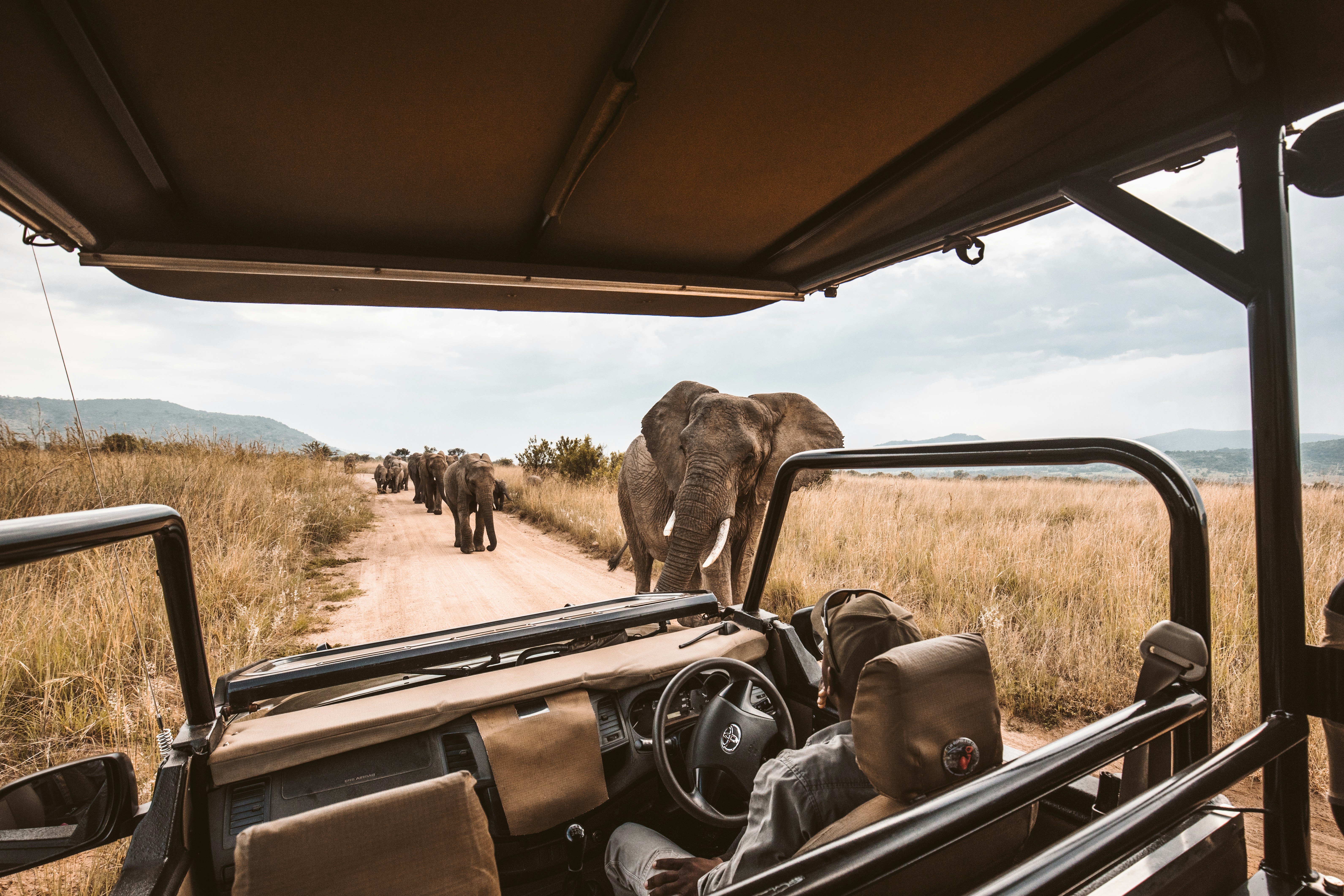
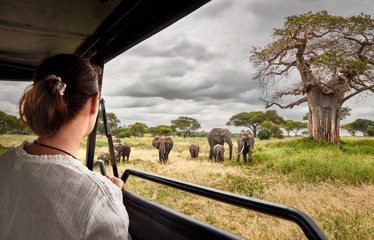
After a light snack or coffee, you’ll head out with your guide in an open safari vehicle. Expect to track wildlife like lions, elephants, leopards, giraffes, zebras, and more, while learning about the ecosystem from your expert guide.
Breakfast & Midday Break
Return to your lodge or camp mid-morning for breakfast and some downtime — swim, nap, or read with a view of the bush. Many animals rest during the hottest part of the day, and so will you!
Afternoon Game Drive
After tea or snacks in the late afternoon, it’s time for another game drive. As the sun begins to set, you’ll catch animals on the move again and maybe even witness a dramatic hunt or scenic sundowner.
Dinner Under the Stars
Evenings often end with a fireside dinner, storytelling with fellow travelers, and the sounds of the African night around you — lions calling in the distance, hyenas laughing, and crickets singing.
Final Tips
Stay curious: Every day is different — nature doesn’t work on a schedule.
Be patient: Spotting wildlife sometimes takes time. The build-up makes the sighting even more special.
Respect nature: Keep a safe distance, follow your guide’s instructions, and take only pictures.